Data Science
Wouldn't it be nice to be able to predict the future with relative accuracy? To be able to see causation of outcomes despite there being dozens and dozens of variables? Research shows that most human minds are only capable of keeping three to four variables simultaneously, but computers have no such limitation. Instead of creating a hypothesis, then testing if that holds true or not -- what if you could just feed a model every data source available and have it find what really causes the outcomes you are looking for? GEO Jobe's Data Science team works every day on cutting-edge projects utilizing the most recent advancements in AI. Data Science is the future, and now you can easily benefit from it.
Identify Patterns
Geospatial is all about finding patterns in data as it relates to the things around it -- data science can take that concept to the next level. With no limit on the number of data inputs, your model can find patterns you never thought about.
Make Predictions
Once you have identified patterns, you can use them to create predictions. These predictions have been shown to have a high degree of accuracy as long as the data that the models were trained on was accurate.
Improve Decision-Making
With better predictions comes better decisions. You'll always know the best way to invest in repairs for your assets, or the best area to build your new construction project. Once you have your model trained, you'll wonder what you ever did without it.
Example Data Science Projects
Even though Data Science can be used for just about anything, let's dig into a couple of specific examples to jump start your creative process.
Location Risk Analysis
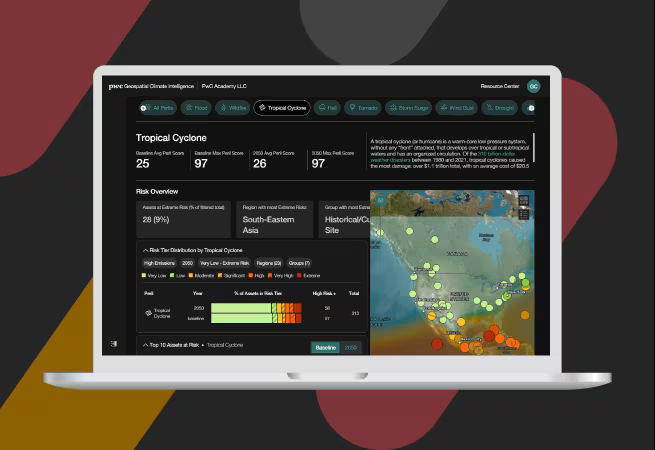
Geospatial risk analysis is complex. There are often dozens to hundreds of datasets to consider -- a task that any human would struggle with. GeoAI is the perfect answer to this dilemma -- able to analysis and predict risk using both historical and current data, environmental factors, and more. Everything from natural disasters such as hurricanes, tornadoes, flooding and earthquakes to non-natural events such as violent crime can be predicted and have their likelihood of occurring assessed.
Image Classification / Object Detection
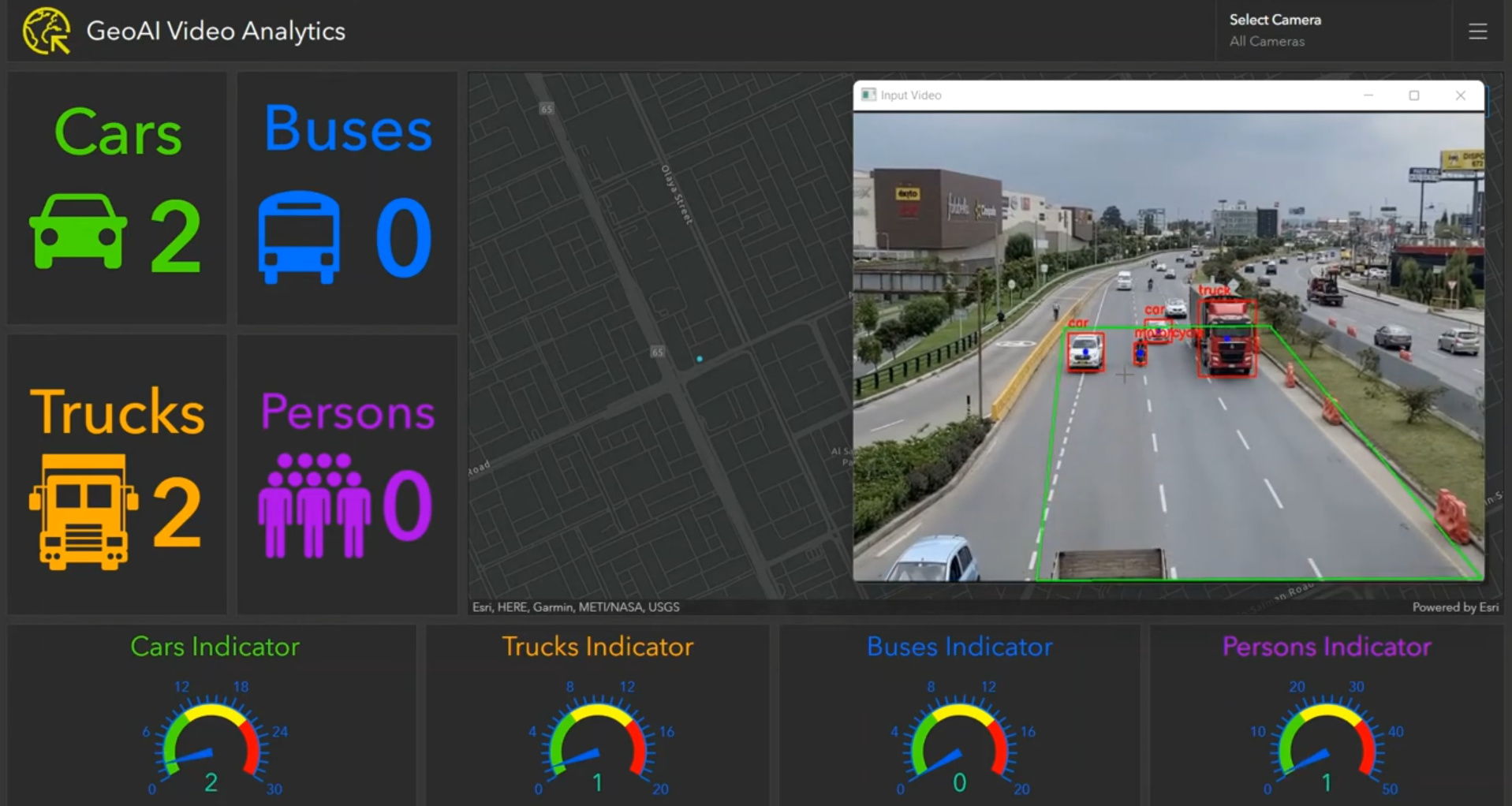
AI models have come a long way in image classification. Not only can you use a model to extract features from static imagery (including their correct geometry), but you can also detect objects in videos or real-time feeds. Detect issues in your assets (such as a crack beginning to form in a structure) early, and respond to them efficiently. AI can be a powerful watchdog that never gets tired and never makes human errors.

Intelligent Summarization
AI models can be trained to digest data from any number of sources and aggregate it into meaningful, easy to understand summaries. This is even true for geospatial data! Your company's leadership should be focusing on making decisions, not digging deep into dozens of data sources. No matter what industry you are in, making use of AI summarization will improve your productivity by giving you back precious time to focus on what really needs your attention.